Product
Streamlit Community Cloud
Streamlit Community Cloud is
Streamlit’s hosted platform that allows
developers to quickly deploy, share,
and manage Streamlit applications
without needing to configure infrastructure.
Details
- Role
- Lead product designer
- Team
- 1 Designer · 1 PM · 5 Engineers
- Scope
- End-to-end platform, design system, developer experience
- Users
- Developers deploying and sharing Streamlit applications
Problem
Core problem
Developers could build apps quickly,
but failed to deploy and share them.
This limited real-world usage and
stalled ecosystem growth.
Solution
Design for continuous developer momentum
Connecting creation, deployment,
and feedback into a single system—
introducing visible deploy flows, forkable templates,
observability, and discovery surfaces.
Result
Ecosystem growth
More developers moved from local
prototypes to publicly shared apps.
Apps reached wider audiences through
discovery surfaces, iteration cycles
accelerated, and the platform
contributed to reaching 1M MAUs.
Context
As adoption grew, the platform needed to evolve from a simple deployment tool into a connected developer ecosystem—one where building, sharing, and learning happen in a continuous loop.
The system broke because…
- Sharing was fragmented→apps stayed local
- No visibility→developers didn't know if apps worked
- No discovery→apps never reached users
Strategy
Design for continuous developer momentum.
Connecting creation, deployment, and feedback into a single system.
-
Create
Templates
-
Deploy
Cloud
Flow
-
Discover
Explore
Profiles
-
Learn
Metrics
Feedback
-
Improve
Iterate
Decision 1
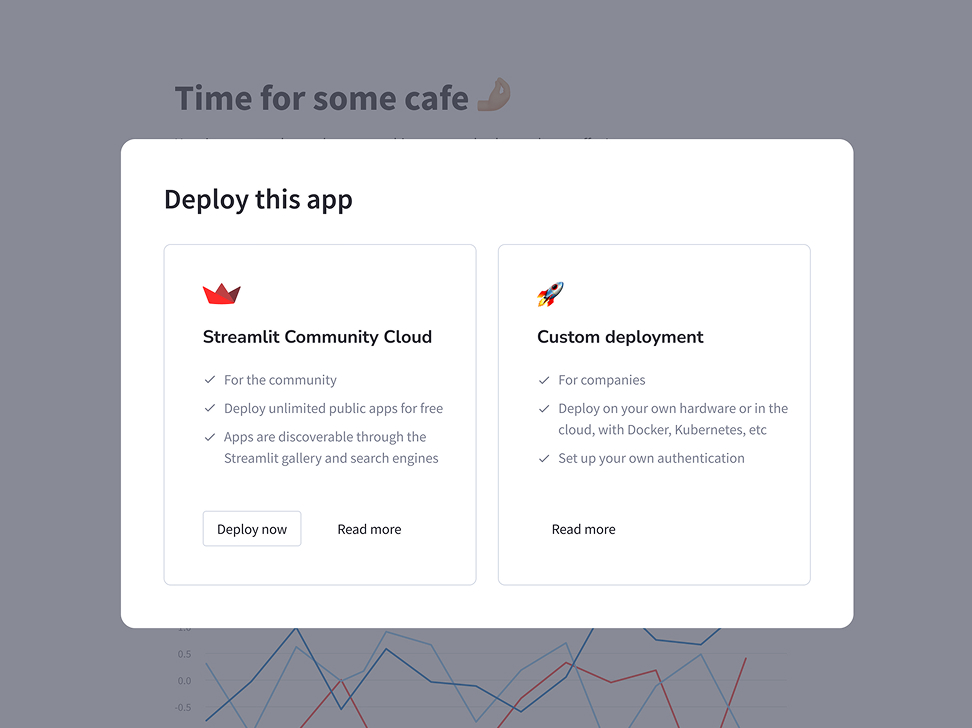
Make deployment visible and actionable.
Insight
Deployment wasn't failing because it was hard—it was invisible.
Tension
Explicit deployment actions increased visibility and adoption, balancing guidance for new developers with added interface complexity.
Decision
Introduced a clear “Deploy” CTA and explicit next steps.
Trade-off
Increased cognitive load and visual complexity.
Decision 2
Make every public app a starting point.
Insight
Templates shouldn’t just be curated—they should emerge from real usage.
Tension
Curated templates ensured quality; a forkable ecosystem enabled scale.
Decision
Made all public apps forkable and introduced templates.
Trade-off
Reduced control over quality and consistency.
Decision 3
Make app behavior observable.
Insight
Developers lacked visibility into how apps behaved after deployment.
Tension
More signals build trust, but can surface low-signal or empty metrics early on.
What we introduced
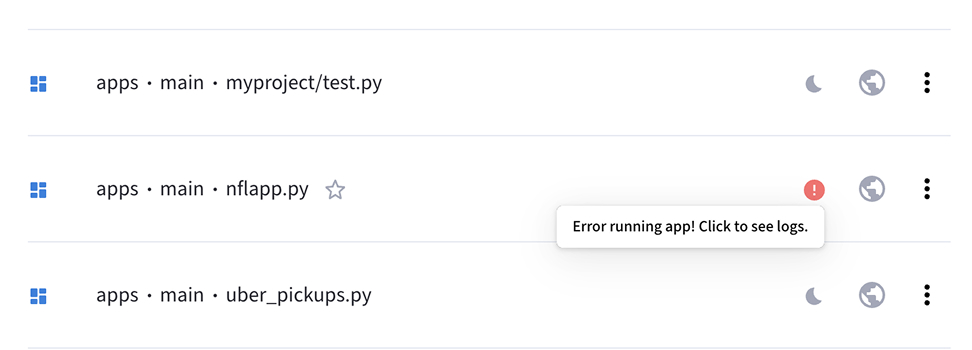
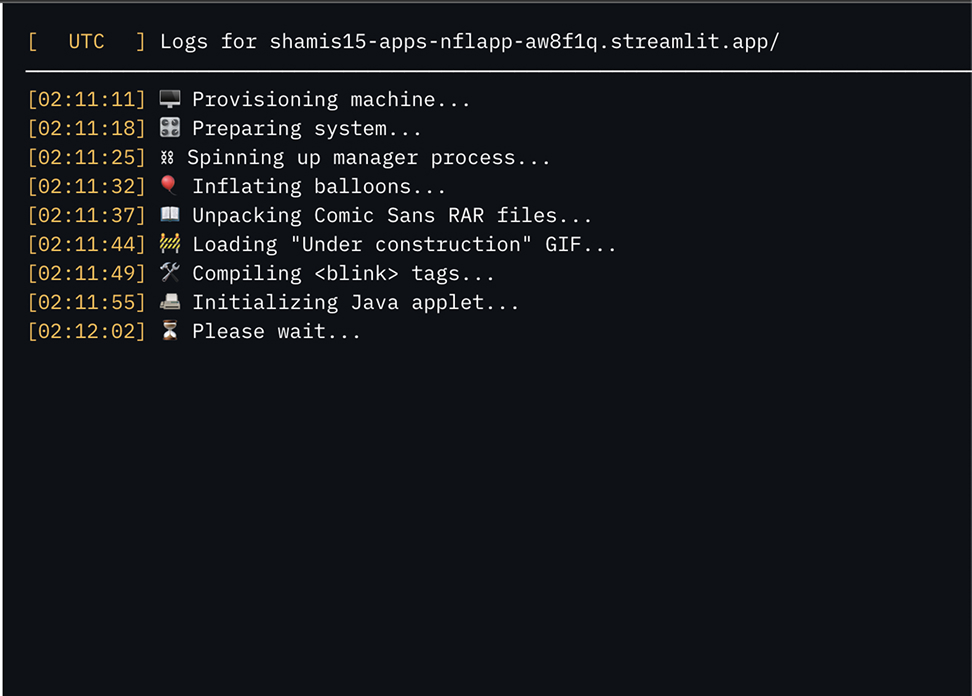
Usage signals (views, forks), performance signals, debug signals (logs, errors), and system feedback (notifications, emails).
Decision
Made app behavior observable after deployment—closing the loop between building and real-world usage.
Trade-off
Surfaced low-signal or empty metrics.
The system
Designing a continuous developer lifecycle
Key Learnings + Impact
Impact
- More developers moved from local prototypes to publicly shared apps
- Apps reached wider audiences through discovery surfaces
- Faster iteration cycles
- Reduced deployment hesitation
- Stronger community participation
- Assisted in reaching our goal to 1M MAUs
Key learnings
- Developer productivity depends on confidence, not just speed
- Reducing the distance between creation and exploration maintains developer momentum
- Visibility into system behavior accelerates adoption
- Ecosystems grow through feedback loops
- Power users push platforms into new maturity stages
Developer productivity improves when momentum is maintained across the lifecycle.
To see the product live go to share.streamlit.io
Check out some more screens below…